###
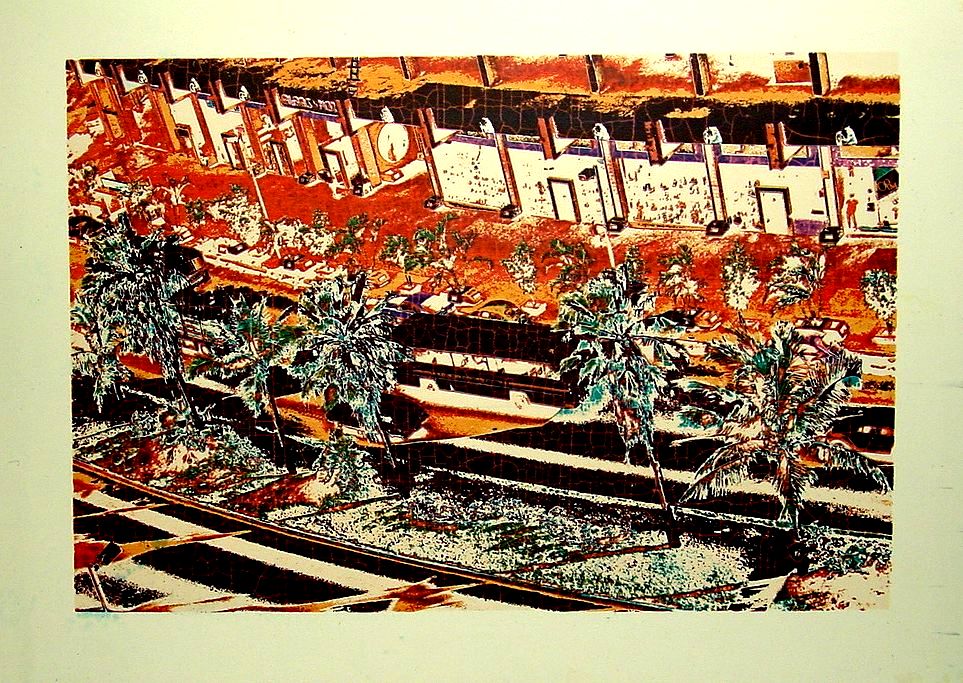
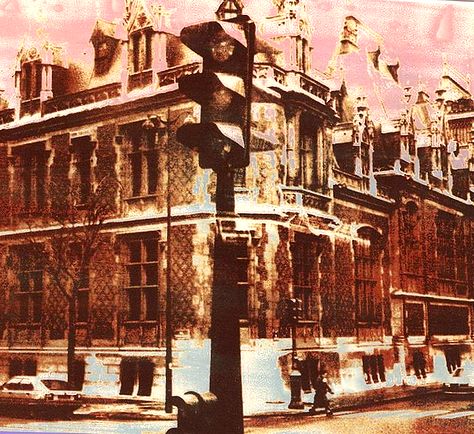
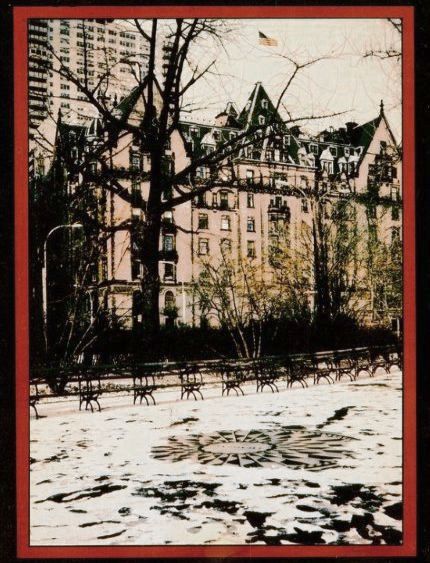
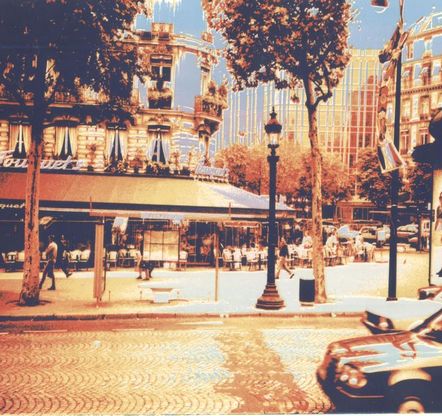
Searching for classical photographic techniques ... There are quite a few people in Japan, and there are quite a few foreign countries in Japan. Ww Japan, which comes out with video, has no tradition of making photo prints. ################
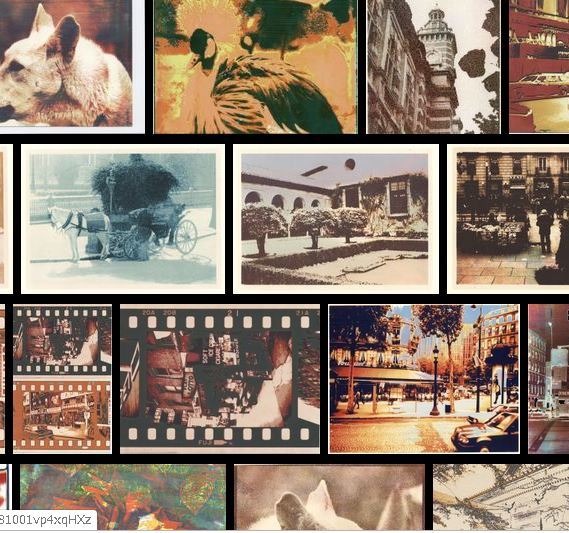
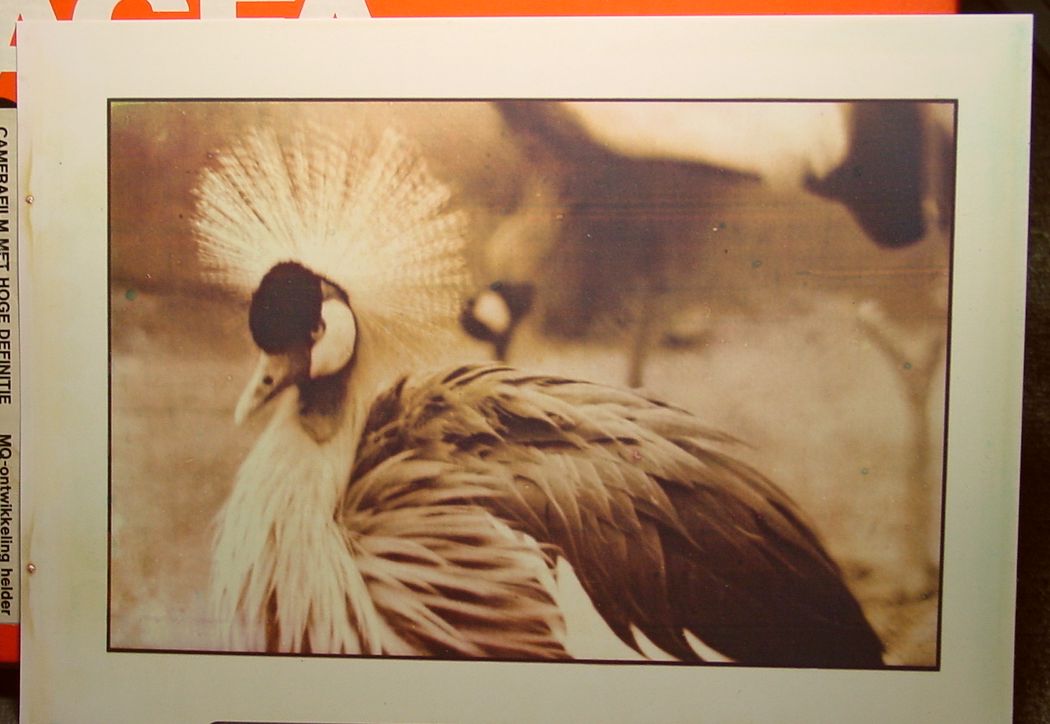
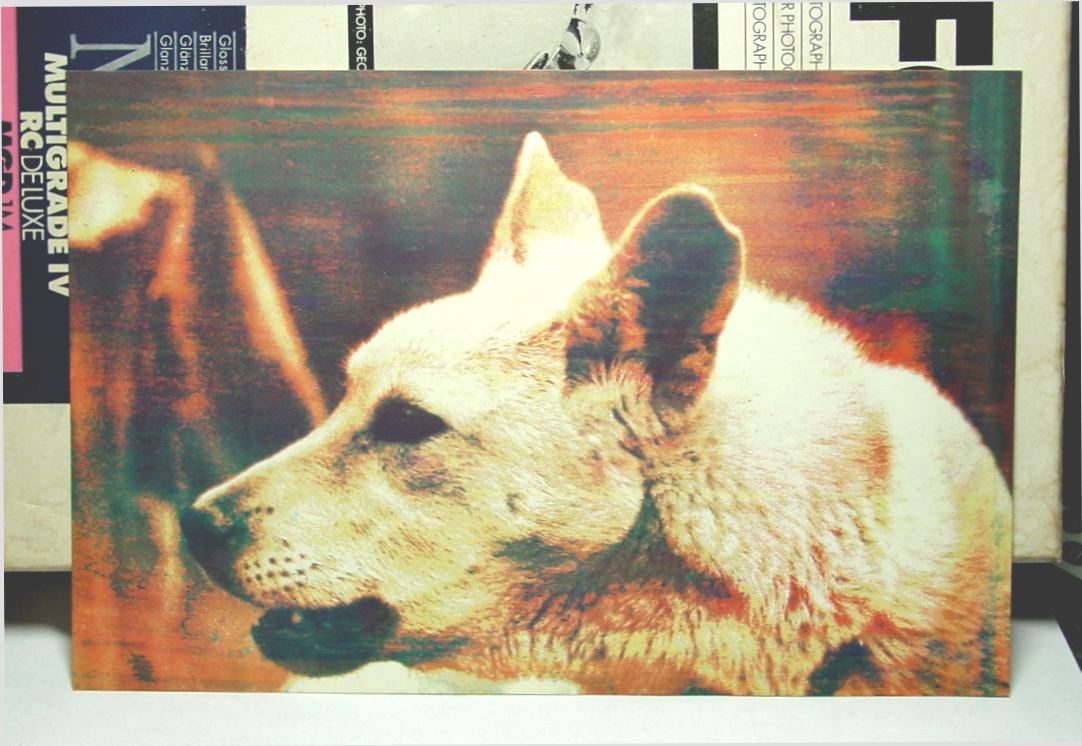
Animals [Analog]
Then wipe with tap water, sponge, etc.
An image appears. It is dry and one step is completed.
Repeat this process, replacing the pigment with C ・ M ・ Y ・ B.
For this print, I used C, M, Y photosensitizers.
##
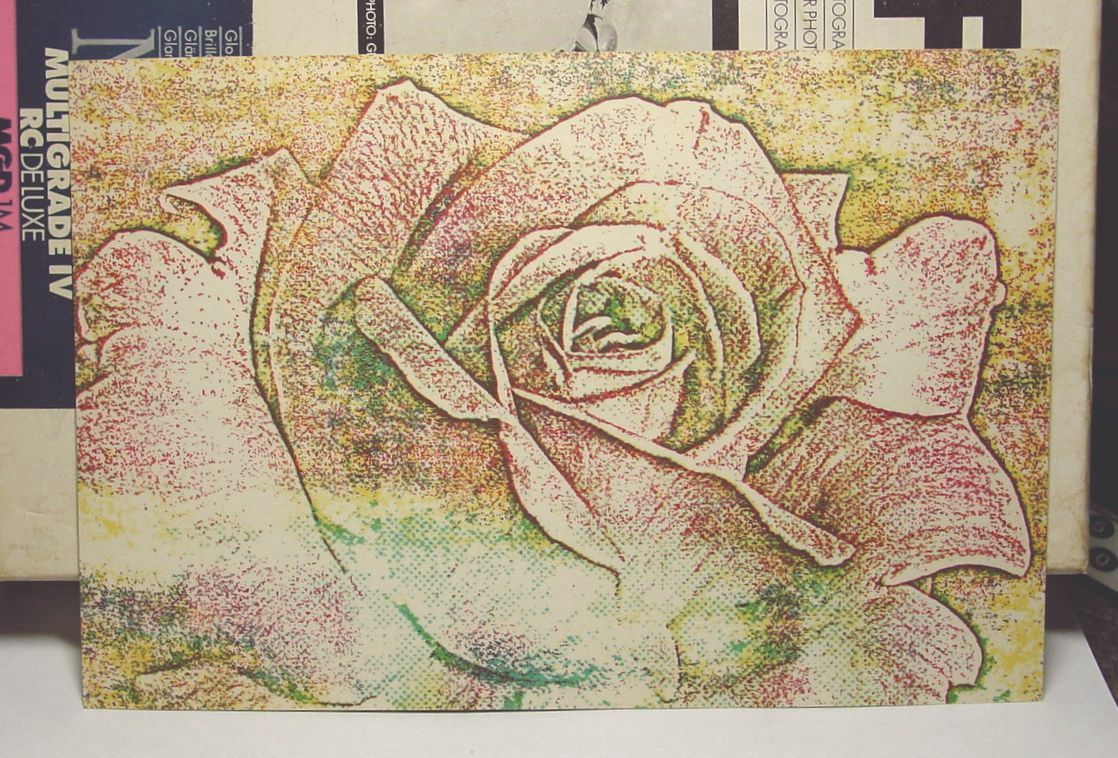
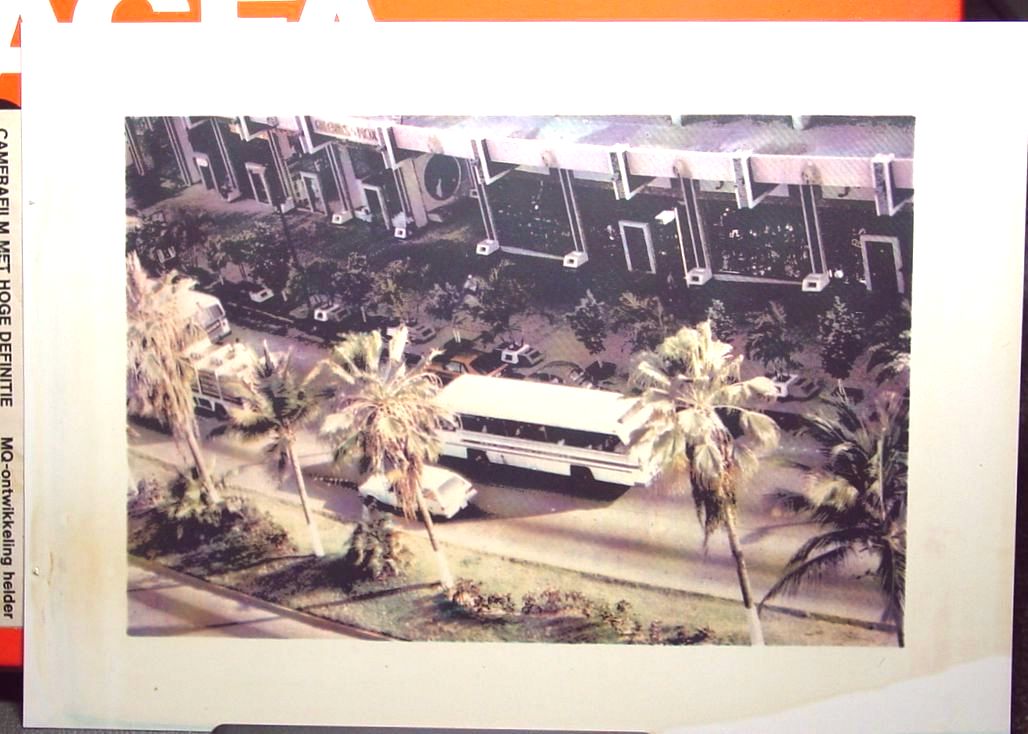
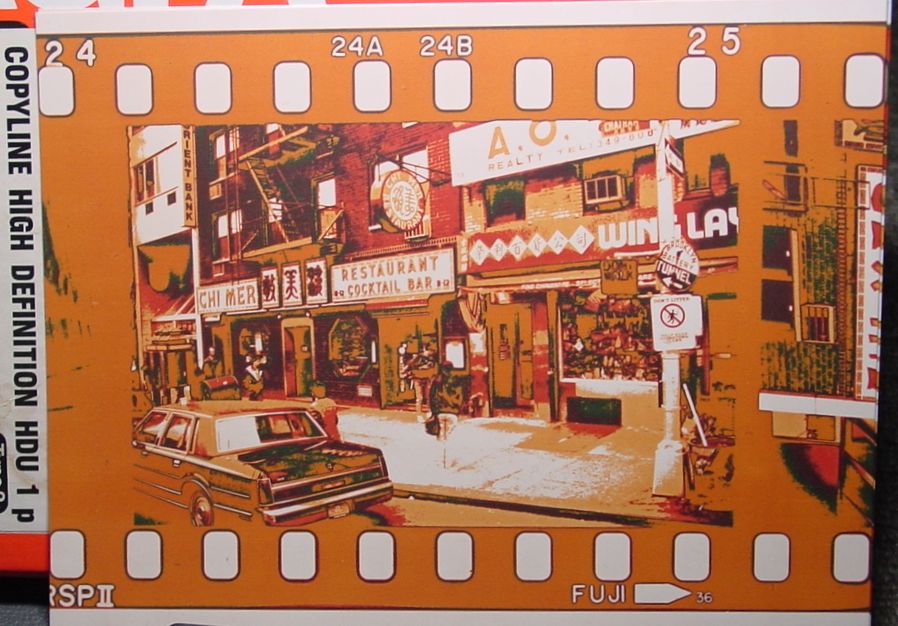
Ummagumma [12 inch Analog]
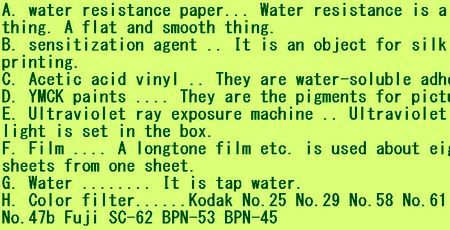
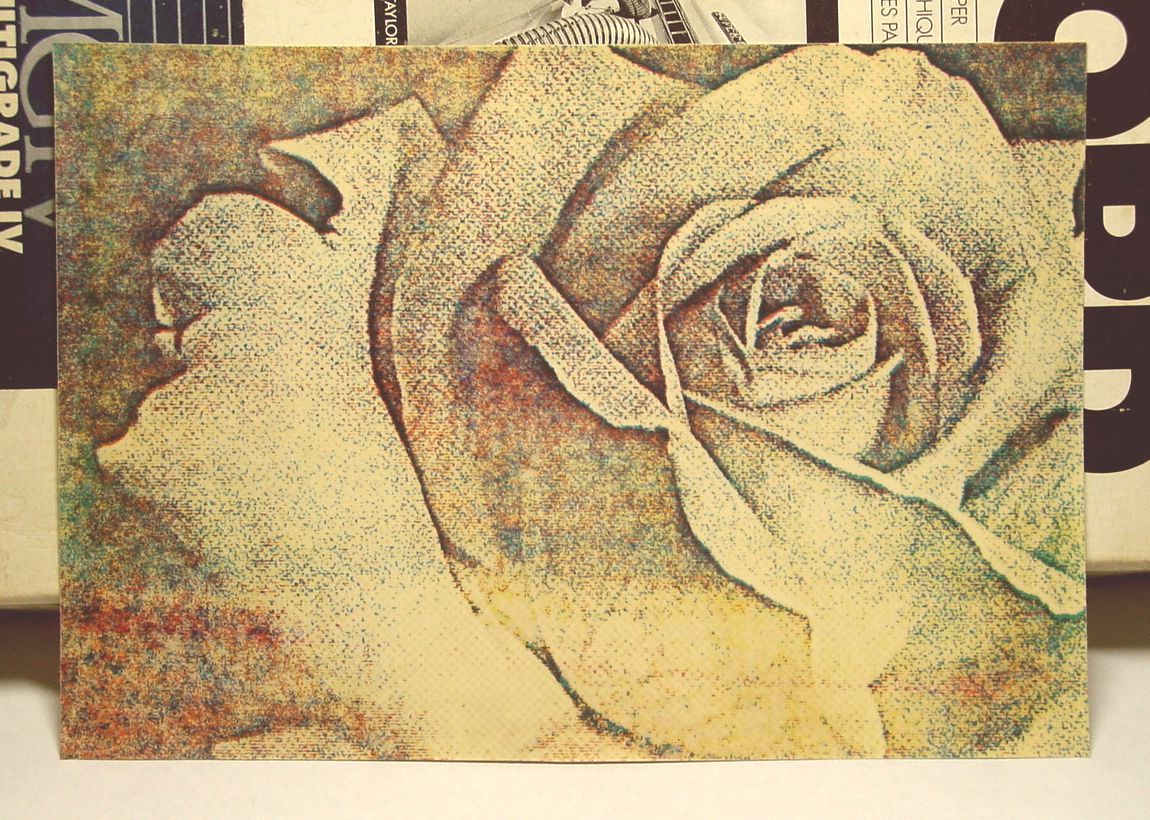
Mixture of pigment and photosensitizer on printing paper, plastic paper,
Roughly spray. After drying, overlay the magnifying negative and use the UV exposure machine,
Burn. Then wipe with tap water, sponge, etc.
An image appears. It is dry and one step is completed.
Repeat this process, replacing the pigment with C ・ M ・ Y ・ B.
For this print, I used C, M, Y photosensitizers.
################
There is only one continuous tone negative film, but for each color ink,
www
with the exposure time changed
Shooting is 35 mm many, but it does not become a big work as it is.
So, you will make an enlarged negative film www
In case of reversal, slide film, once transcribed to panchromatic film
www
If you are a monochrome nega, you can expand a 35 mm film, www www
Modern ・ ・ ・ ・ ・ with scanner, import, soft, expanded negative,
printer output wwww
If so, you can say that it is good to print full-color images by
classical technique arrangement, www #Acrylic gouache
The greatest feature of this classic technique is the final, printing
process, by hand, doing www
Sensitivity of photosensitive ink, color taste, thickness of coating,
unevenness required condition ...
Pretty, the variable element works on the work of the work is the
difference from ordinary photos www
 ################
 Wallet Address